
How do you turn a shared passion for cycling and design into a brand recognized by cargo bike enthusiasts across Europe? Aleks and Charles, the creative minds behind Dyed In The Wool, share their story – from their beginnings in London, through collaborations with leading cargo bike brands, to their uncompromising approach to quality and local production. Discover how their dedication and hands-on experience shape every bag that leaves their studio near Warsaw.
How did Dyed In The Wool start, and what inspired you to begin designing bike bags, especially for
cargo bikes?
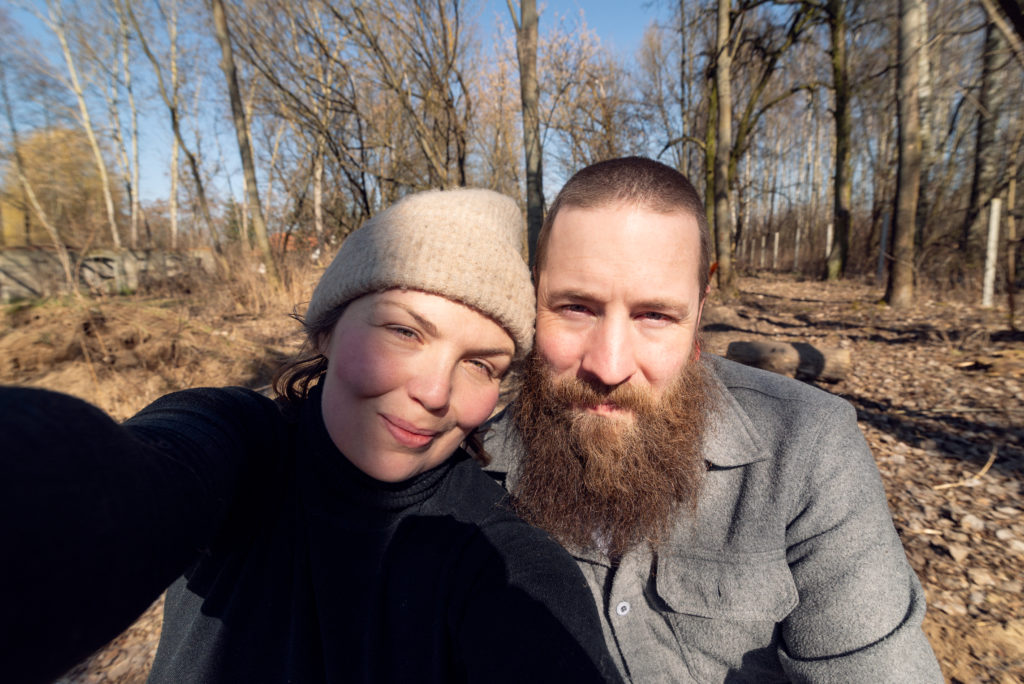
We’re both trained designers and worked together for well-known sports brands, designing bags.
We met 11 years ago in London while riding fixed gear bikes — bikes have always been part of our
lives.
While studying, Charles worked at the well-known Brick Lane Bikes shop in London, and I played
bike polo — we were both, and still are, deeply into the bike scene. After ten years of working for
other brands, we decided in 2020 it was time to start something of our own.
As for cargo bikes — we’ve always been huge fans. Five years ago, we got a message from Jim at
Larry vs Harry asking if we wanted to design a bag for the Bullitt. We were over the moon, and
that’s how our journey with cargo bikes and bike bags began.
What sets your cargo bike bags apart from the competition? What materials and technologies do
you use?
We always try to offer something different from what’s already out there. We think our bags strike a
good balance between function and aesthetics — they’re thoughtfully designed and form a cohesive
whole both structurally and visually.
We also use tailoring accessories made in Poland — 90% of what we use is locally produced!
When it comes to materials, we use technical, waterproof, and durable fabrics that can withstand
harsh weather and heavy use.
We also offer custom prints — our own designs — and clients can commission their own.
Everything is made in Poland — either in our studio or in a nearby sewing workshop.
What’s the design and production process like for your cargo and custom bags? Is everything done
in Poland?
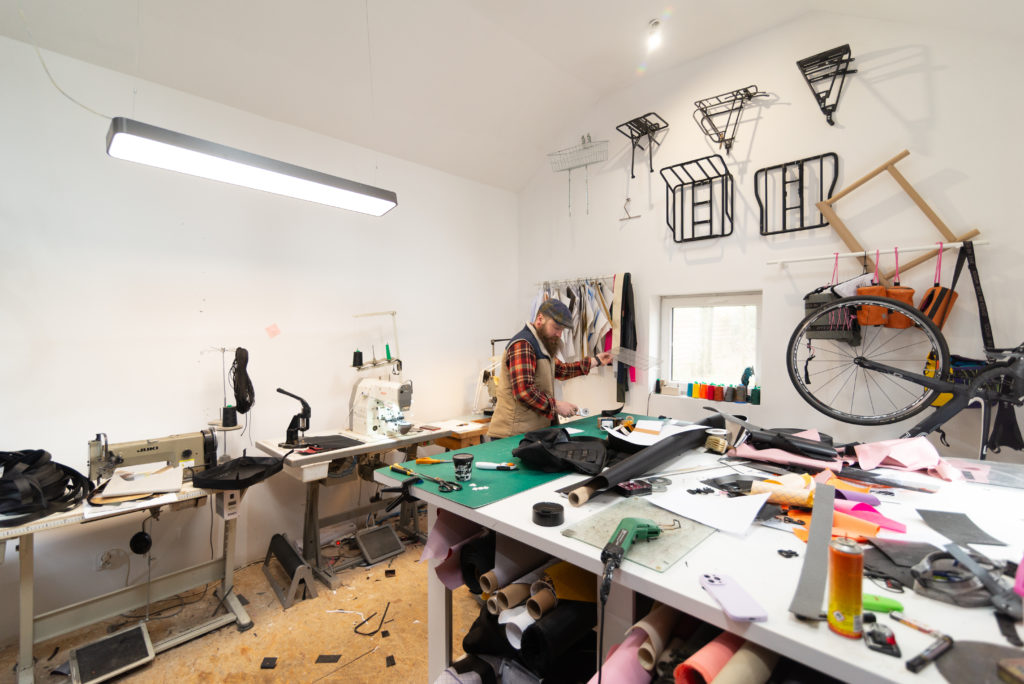
We start with sketches. Depending on how complex the bag is, we’ll either create a pattern or use
CAD and 3D tools.
Then we sew a prototype or a 3D mock-up. We test different solutions and construction methods,
then sew a second prototype and test it thoroughly.
The length of the process depends on whether we’re designing something for ourselves, a client, or
another brand — and how complicated the bag is.
Yes, it all happens in our studio near Warsaw.
Which of your cargo bike bags are bestsellers, and why do you think they’re so popular?
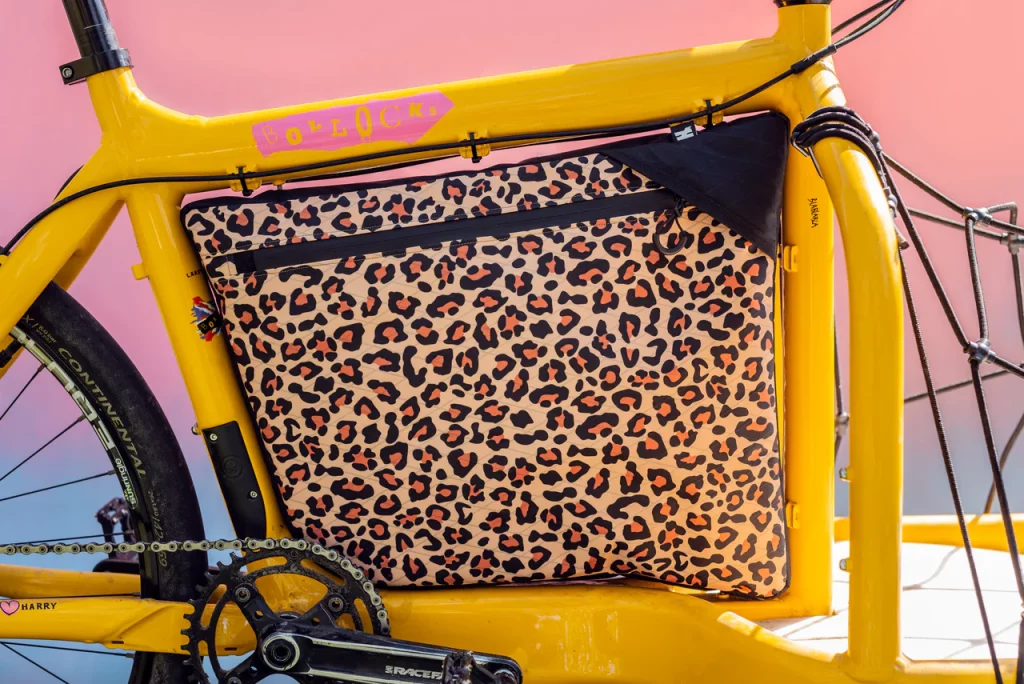
The frame bags for the Bullitt and Omnium bikes! They’re solid products that make great use of
otherwise unused space.
Which cargo bike brands (like Bullitt, Riese & Müller, Urban Arrow) have you worked with, and
how did those collaborations turn out?
We currently collaborate with Riese & Müller and Larry vs Harry.
For R&M, we produce bags under the joint label R&M x DITW, in larger batches and various
models tailored to their bikes. We work with their design team, and the collaboration has been really
rewarding — it’s a huge honor for us.
We also still work with Larry vs Harry — they were the ones who started us on the cargo bike path.
We’ve also partnered with the French mini velo and mini cargo bike brand Le Petit Porteur, and we
offer some of their products too.
More recently, we began working with Manivelle, a French brand known for their handcrafted bike
baskets — which we’re super excited about, as they also focus on local production.
What are your plans for the future in terms of expanding your cargo bike offerings? Are you
planning new products or exploring other types of transport bikes?
We have endless ideas — literally. We talk every day about ways to improve cargo bike use.
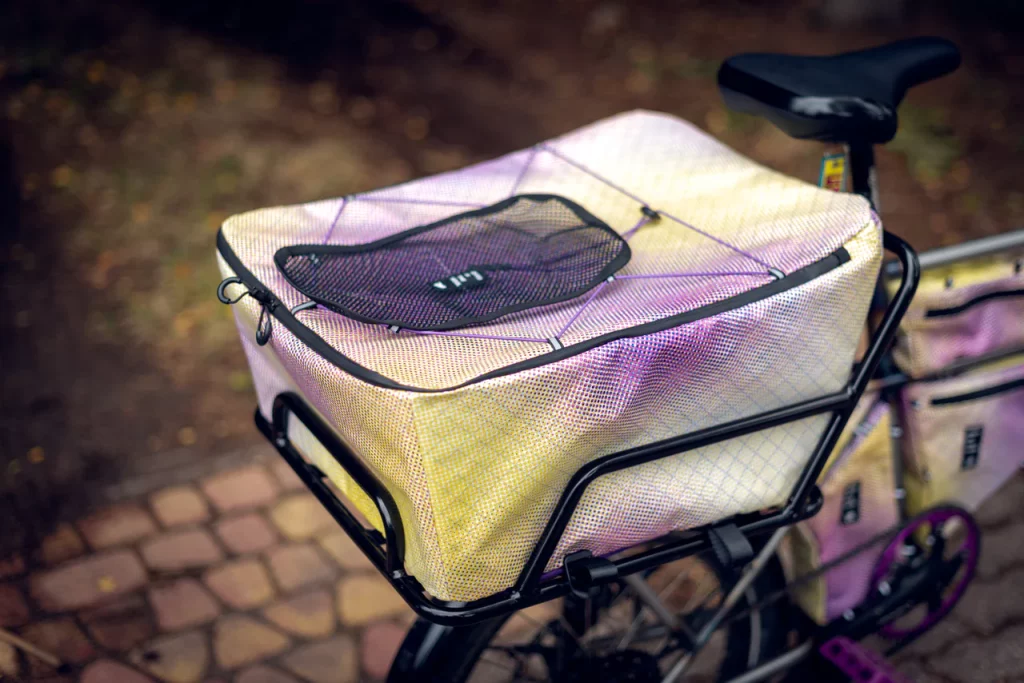
Right now, we’re working on launching the NetDeck for the Bullitt — a lightweight mesh platform
to replace the traditional honeyboard.
We also plan to introduce a half frame bag for the Bullitt and a new version of our cargo bag for the
Bullitt platform.
The only thing that holds us back is time! There’s always so much work.
Beyond cargo bikes, we also make bags for bikepacking and more urban/commuter-style cycling.
What would you like to say to Polish cargo bike riders who haven’t heard of your brand or products
yet?
Buy less, but better.
We know the market is flooded with cargo bike products and bike bags.
We make top-quality bags — and when people support us, they’re also supporting a whole chain of
mainly Polish, but also European, manufacturers and entrepreneurs. That matters, especially given
the current political climate.
Our bags are made to order, so customers can personalize their gear — from colors to prints.
What are your favorite routes or areas to ride cargo bikes in Poland that you’d recommend to
others?
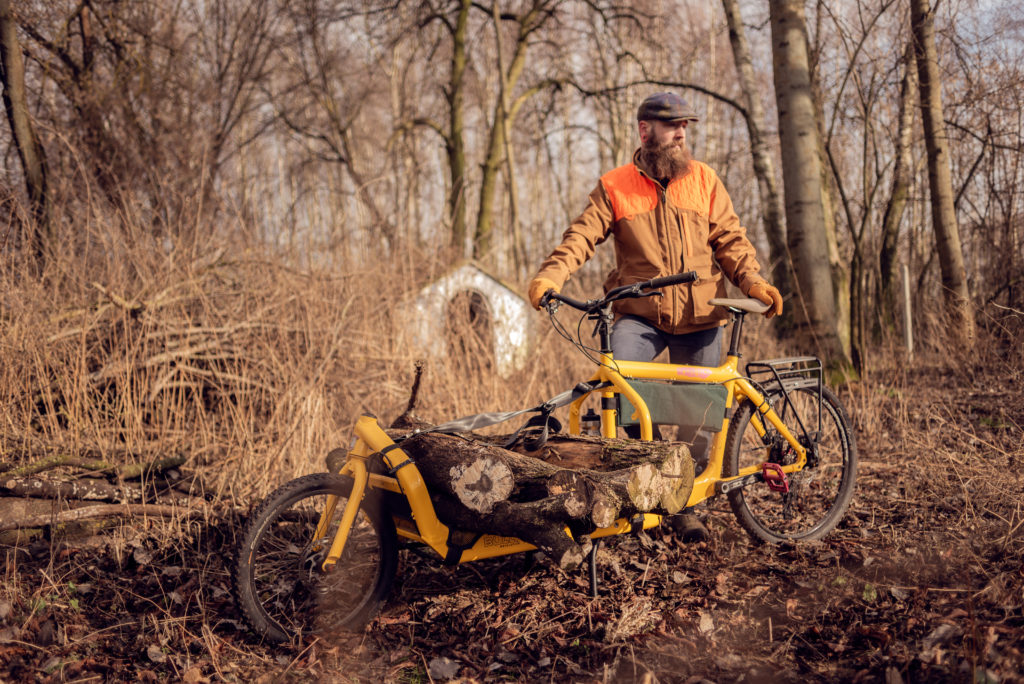
We live in the countryside, so we use our bikes a bit differently. The Bullitt is our tractor — our
literal workhorse.
We use it to haul everything: fallen trees, courier packages, gardening tools, groceries, firewood,
plants, even hay for our horses.
Le Petit Porteur is our go-to for rides with our kid, and last year we even took it on some
singletracks — though we don’t really recommend that, it’s a workout!
What values matter most to you as a brand, especially when it comes to designing cargo bike bags?
Aesthetics. Function. Durability. Local production.
Do you have any tips for cargo bike users when it comes to choosing, installing, and using your
bags?
Mount the bag, hop on the bike, enjoy the ride — and if you’ve got a question, just send us an email
🙂
What bikes do you ride daily? Do you use cargo bikes, and how does that influence your designs
and testing?
We probably have about 12 bikes, including two cargo bikes, two fixed gear bikes, a road bike, a
few gravel bikes, a pump bike, and a hardtail MTB.
We use all of them depending on the ride.
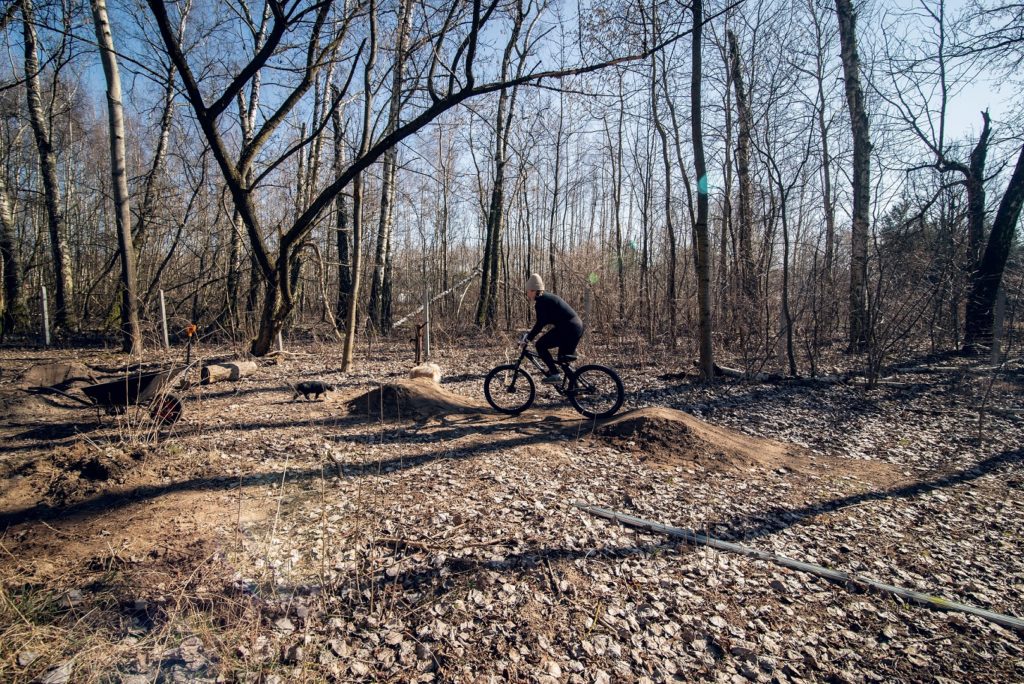
We use our cargo bikes a lot — for both chores and adventures. We also built a pump track behind
our house, so when we want some fun, we take the pump bike out.
The fixed gear bikes get the least use these days — there’s just nowhere to ride them.
But the cargo bikes? They’re always in use.
Your products are seen as some of the more expensive ones on the market. What contributes to the
pricing, and are you planning more affordable options?
We always aim to offer a range of products at different price points.
That said, we’re talking about bags that are designed and made in Poland — it’s hard to compete
with products made in Asia, for example.
We do plan to introduce more budget-friendly options, but like we said, we believe it’s better to buy
less, and buy better — think your purchase through, customize it, and enjoy it longer!
As our favorite designer Vivienne Westwood used to say: Buy Less! But better!
Thanks for the chat!